Lama AssafStrategist, designer, builder.
Finding the simplicity in the complexity.
tldr
i like putting things together to see what they do. now and then the result surprises me, and i grin.
that’s what keeps me designing how people and AI work together.
i make tools for the choices that repeat, and keep the logic and the connections for myself. people get my time. AI gets the rest.
also: podcasts, melodic techno, tennis when i can get a game, salad from my own garden. (the pesto is worth asking about)
The airport, in short
Airports. A startup. A pile of reports for every board member, and decisions kept falling between the pages. I ran a two-hour workshop. It ran over; they asked for more. They wanted “something AI”. I put a swarm of agents on the idea, to argue with it. People got my time. AI got the rest. A deck wasn’t going to hold it, so: a prototype with tutorials, clickable on their own. Eight weeks. One line they could all stand behind.
The sports startup, in short
Sports. A World Cup date. No deck. Version one tried to please fans, analysts and investors; a review said it pleased nobody. So I asked one question, from every side: how does this die? We picked one lane. A live desk you could actually click, with yellow saved for the biggest days. Then a regional situation, right as funding was coming. No list had that one. The work holds. The next one starts with the same question.
Cabinet, an experiment, in short
An experiment for agencies. Every handover loses a little of the why; by the fifth deck it’s gone. So I’m trying a shared memory that keeps the why, the voice, what worked and what didn’t. Designers set the brand, writers set the copy, it drafts and doesn’t get a vote. People keep the decisions. Still an experiment: what if design learned from code?
The Winner’s Circle, in short
-
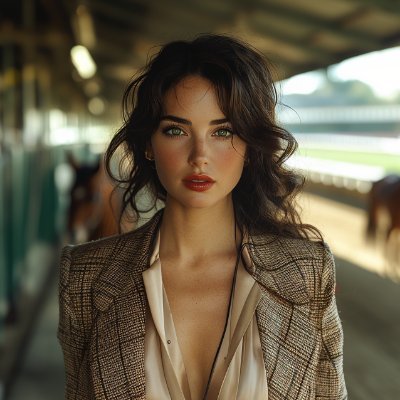
horse names are weirder than token names.
so strange names were never the problem for racing fans. crypto was. most had never held any.
-
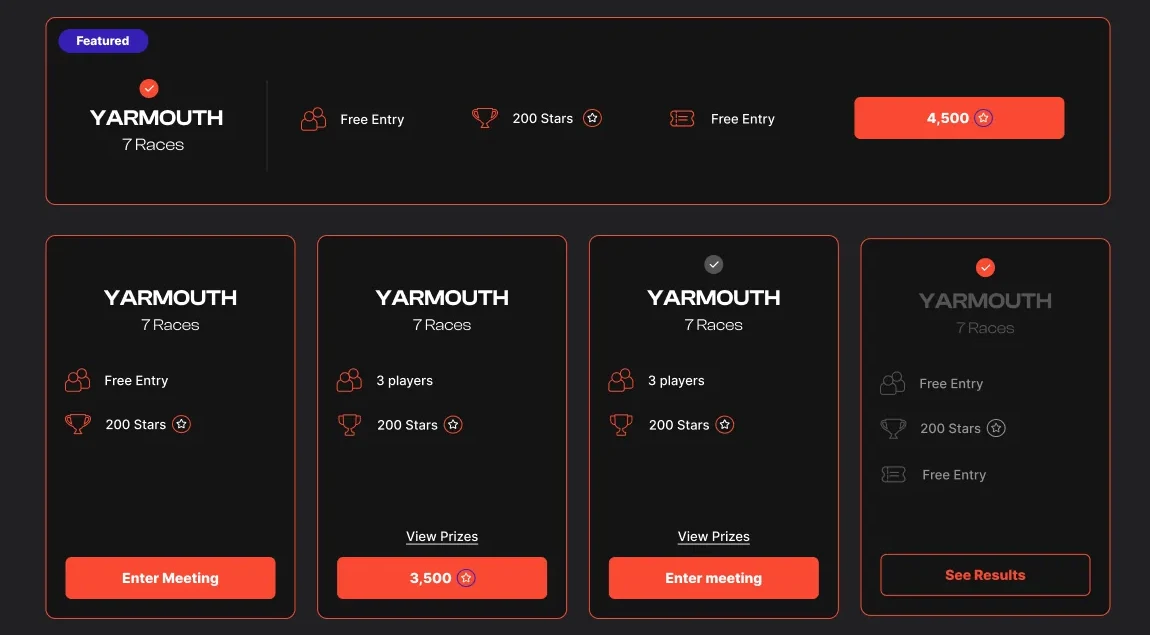
we put the game first.
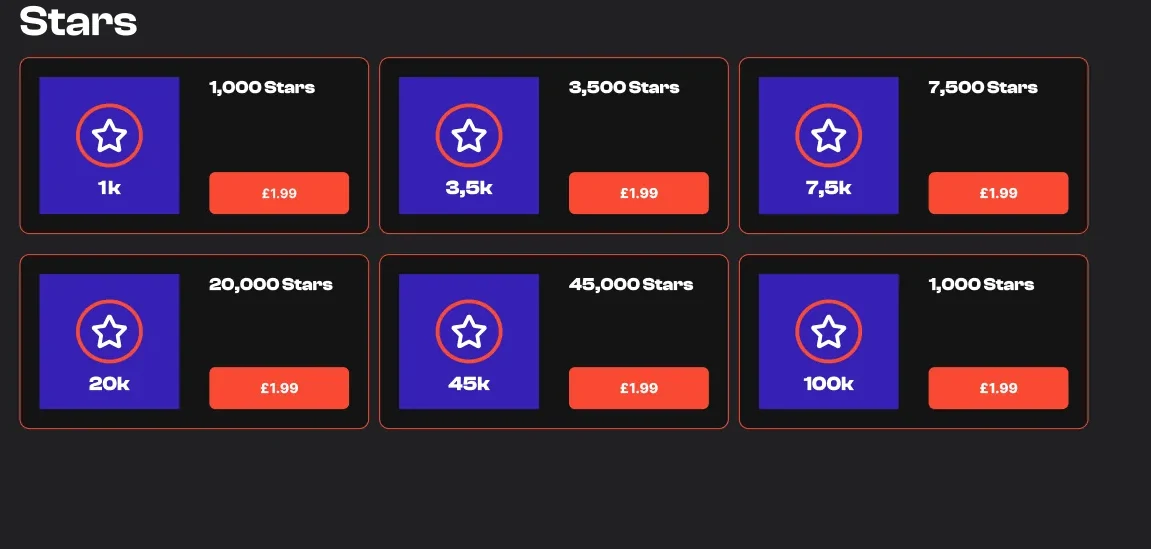
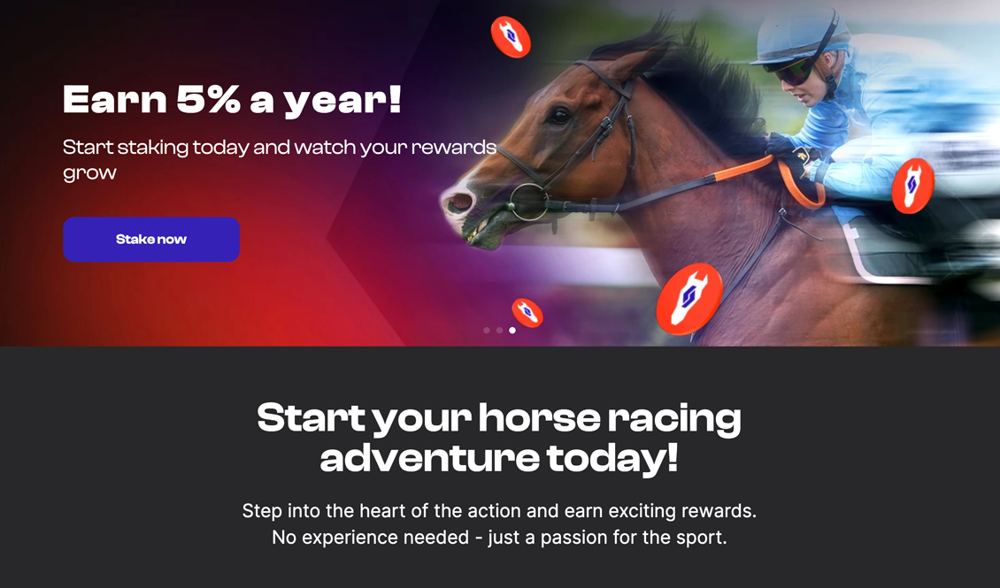
fans play for stars, and stars turn into $HRSE.
-
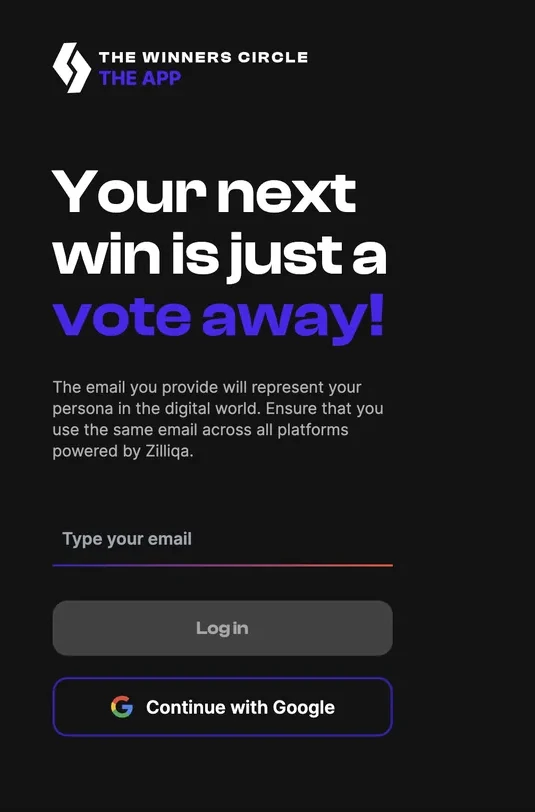
fans shouldn’t need a wallet to play.
-
we were a small team.
we ran the socials and the work on the ground too.

-
i led the team from the first idea to launch.
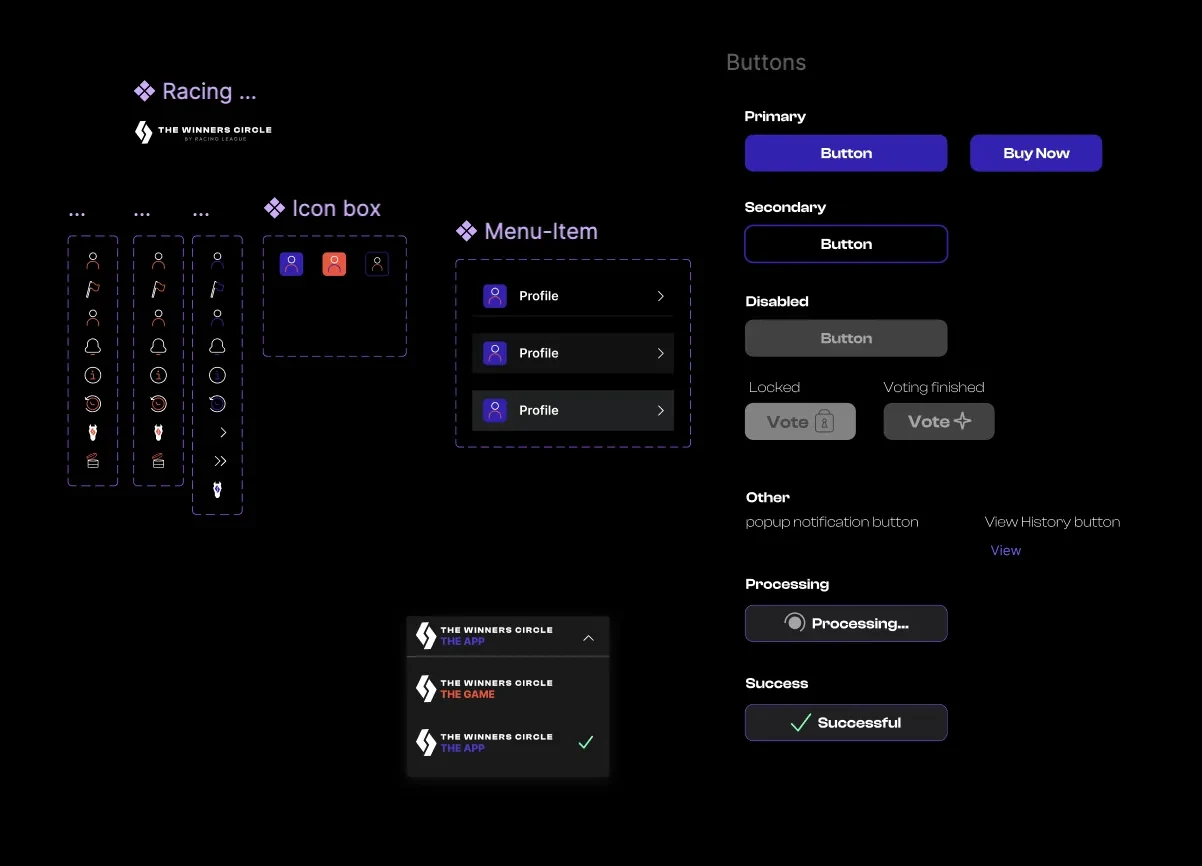
how it plays, what it rewards, who makes which part. when the budget got tight, the site became mine too.
-
the project that got me into horse racing.
a beast of a project, no pun intended.
also: ava, the platform’s first agentic prediction agent. 70 percent of its predictions came true.
What I’m thinking about
Research and Insights
When a product took two years, someone hired a designer. When it takes two days, nobody does.
The making got easier. The thinking got skipped.
An idea gets ignored for two reasons. It’s too early, or it’s told badly.
The first is timing. The second is my job.
There is no neutral voice. Robotic is a personality too.
Not choosing is still a choice. Just not yours.
The loudest complaint is often the one you can’t fix.
The rare request is where the product is. Count less, read more.
Talk
Designing for the future of AI products
Maggie Appleton · Dive Club
Talk
The design process is dead
Jenny Wen · Lenny’s Podcast
Talk
From SaaS to agentic UX
Damian Gribben · Belfast Design
Talk
Design systems in the age of agents
Cassie Groos · Hatch Conference